Facility management for
shopping malls.
Operate high-footfall retail environments with precision — coordinating tenants, common areas, and service providers on one unified platform.
High footfall demands
high operational precision.
- Tenant service chaos
Retailers raising issues with no structured process or visibility on resolution timelines.
- Common area blind spots
Washrooms, food courts, and parking areas maintained reactively instead of proactively.
- Energy overconsumption
Central cooling, lighting, and escalators running inefficiently with no monitoring.
- Audit readiness gaps
Inspections for hygiene, safety, and fire compliance tracked on paper or not at all.
Built for retail excellence.
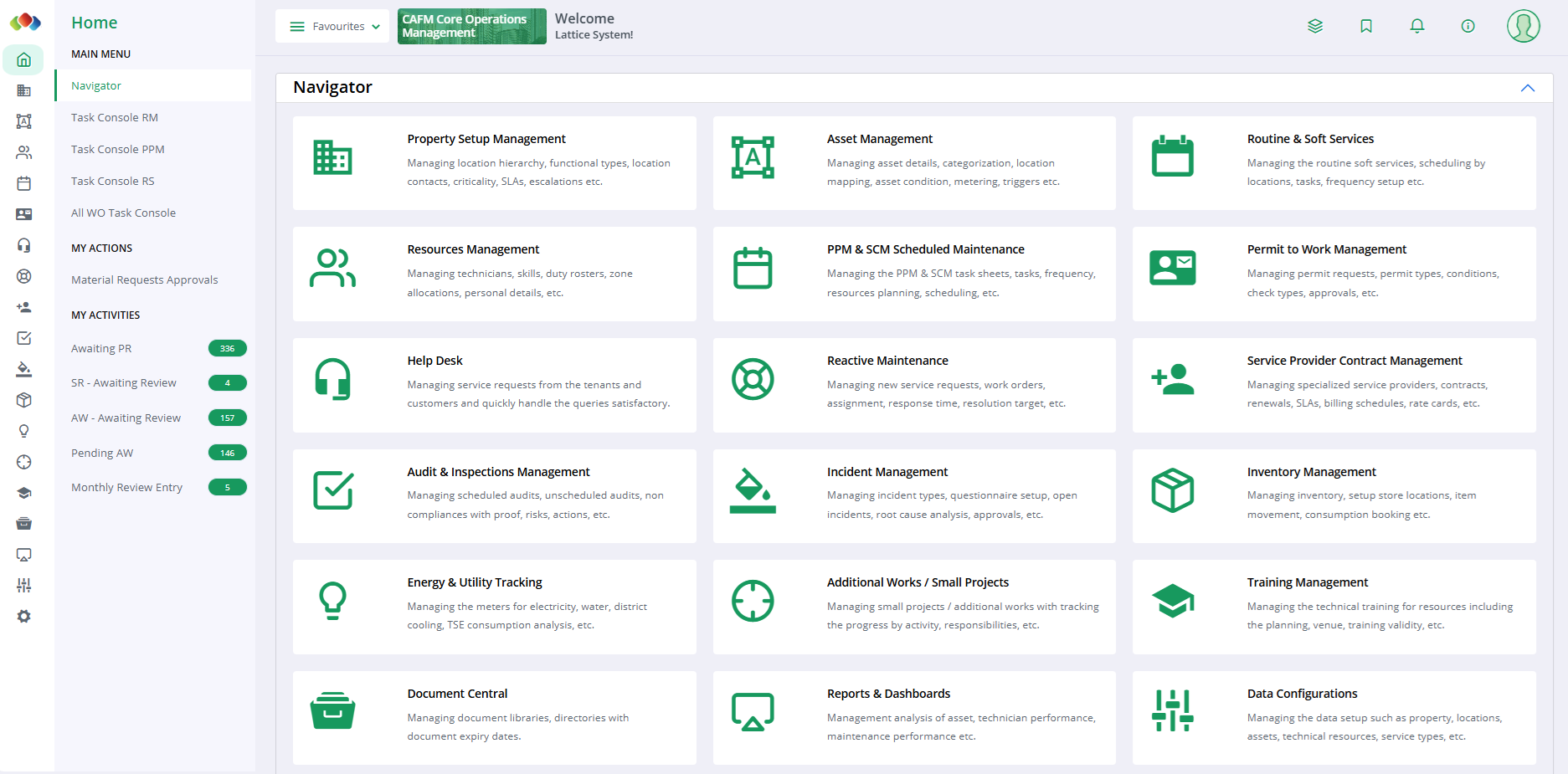
A unified platform to keep every zone, tenant, and service provider aligned.
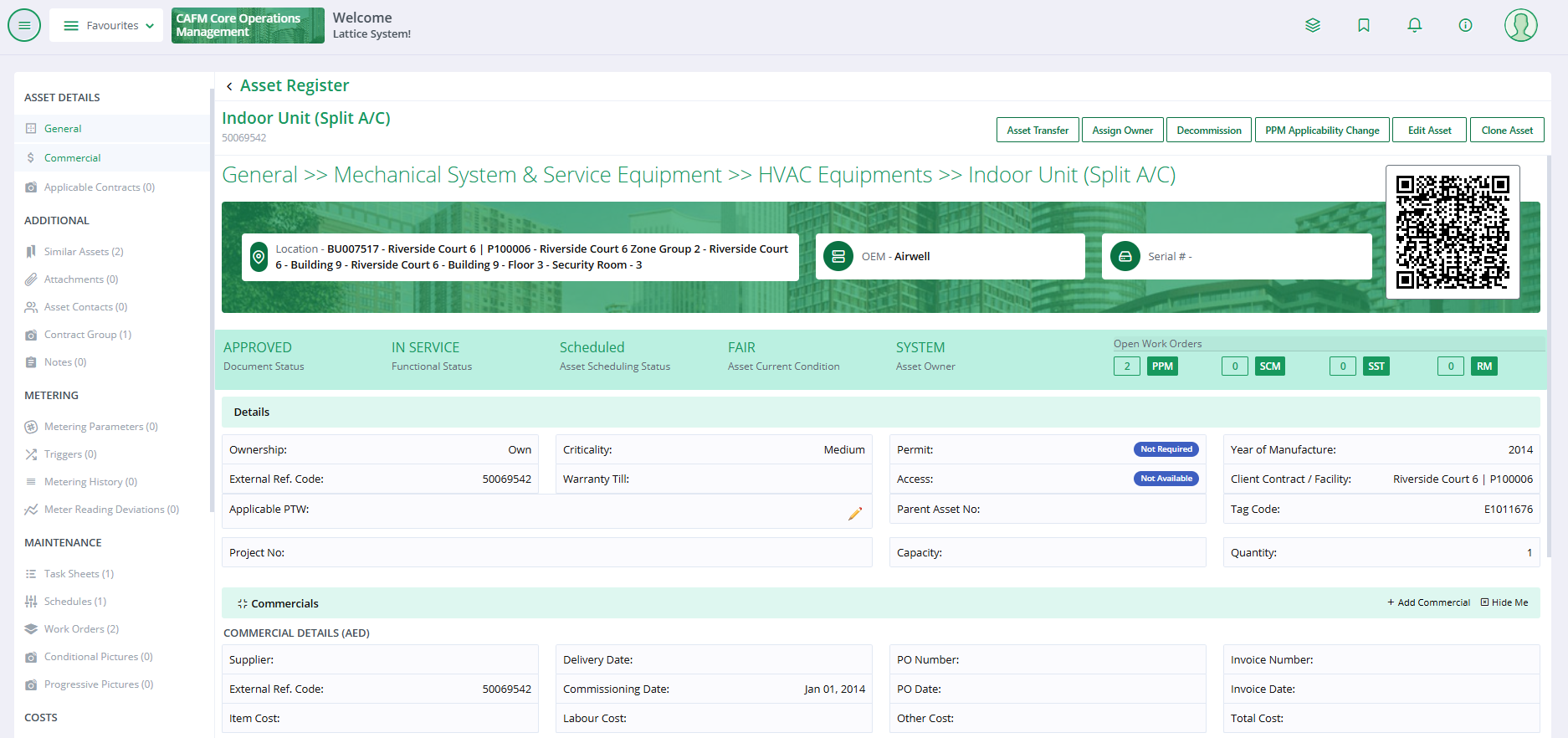
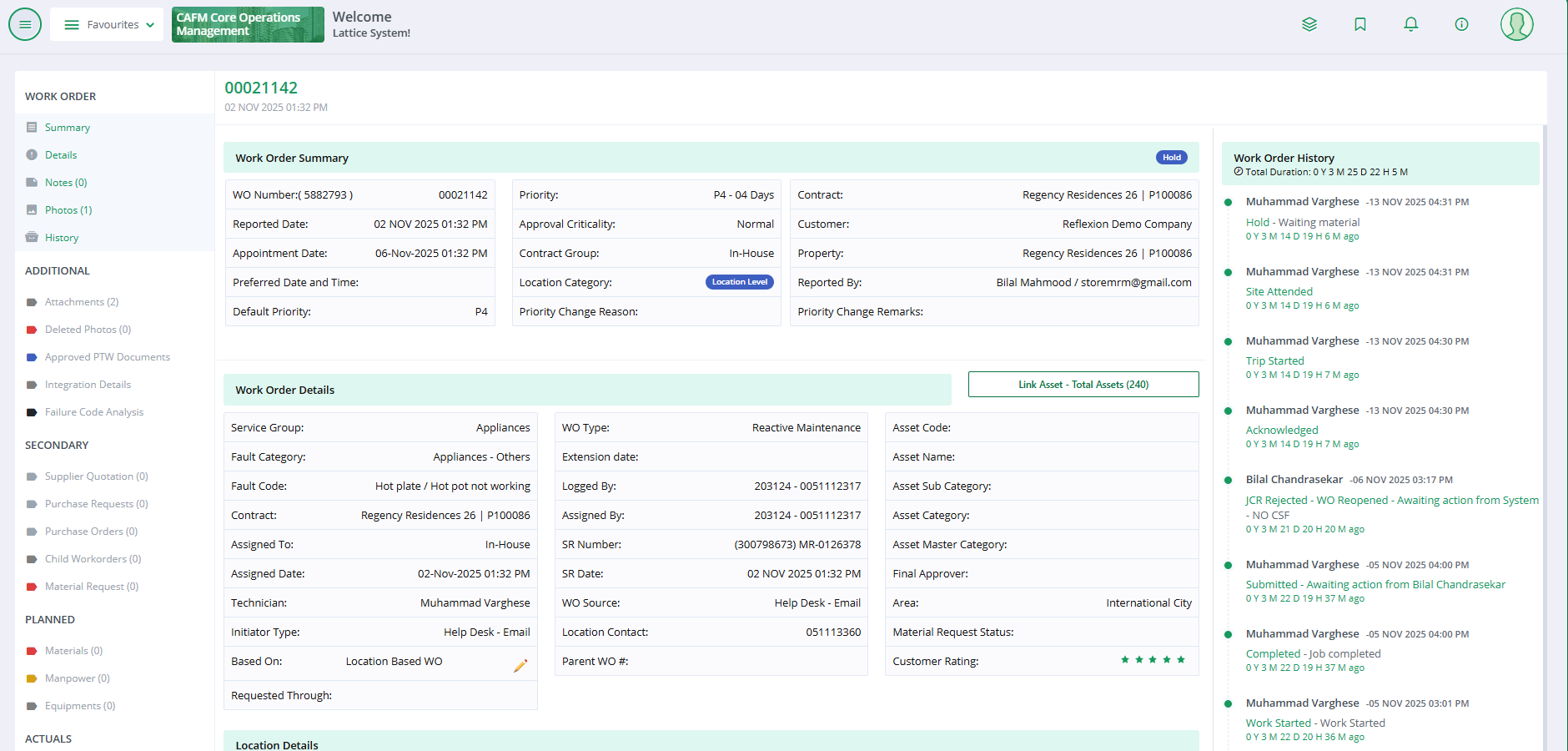
Everything your mall
operation needs.
Tenant Service Coordination
Give tenants a portal to raise requests, track progress, and manage fit-outs — with full SLA visibility and structured workflows.
Common Area Maintenance
Schedule and track cleaning, landscaping, washroom servicing, and food court maintenance with zone-level precision.
Energy & Utility Tracking
Monitor central cooling, lighting, escalators, and elevators. Identify consumption anomalies and reduce utility costs.
Service Provider Management
Manage cleaning, security, MEP, and specialized contractors with SLA tracking, performance scoring, and penalty automation.
Cleaning & Soft Services
Digital cleaning schedules, washroom inspection logs, and pest control tracking with real-time compliance dashboards.
Audit & Inspection Compliance
Digitize hygiene, fire safety, parking, and security audits with photo evidence, scoring, and corrective action workflows.
Visitor Experience Operations
Coordinate parking management, wayfinding signage maintenance, and common area ambiance to enhance the shopper experience.
Mall Analytics & Reporting
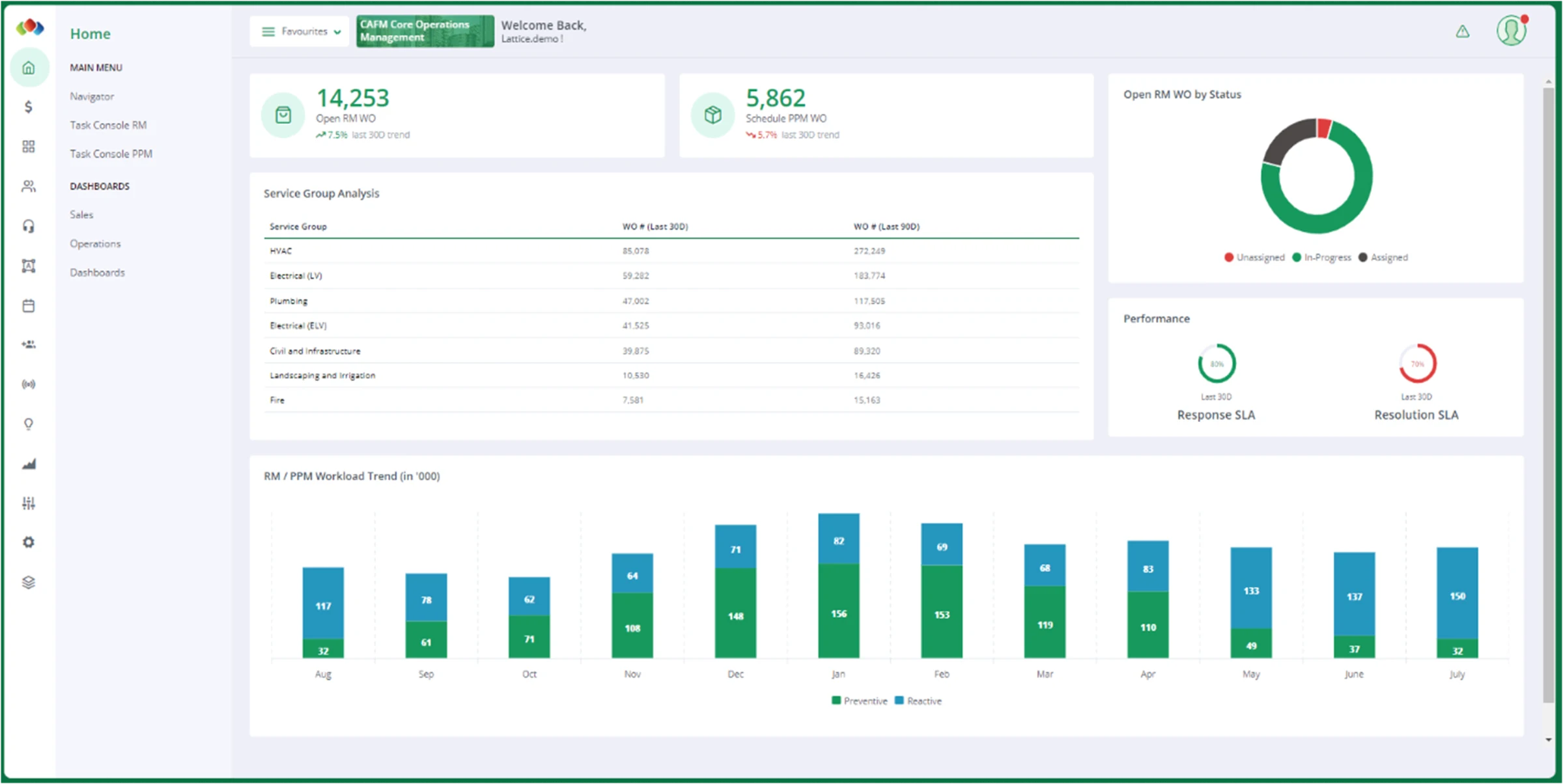
Cross-mall dashboards for tenant satisfaction, maintenance costs, energy benchmarks, and SLA compliance.
Tenant Service Coordination
Give tenants a portal to raise requests, track progress, and manage fit-outs — with full SLA visibility and structured workflows.
Common Area Maintenance
Schedule and track cleaning, landscaping, washroom servicing, and food court maintenance with zone-level precision.
Energy & Utility Tracking
Monitor central cooling, lighting, escalators, and elevators. Identify consumption anomalies and reduce utility costs.
Service Provider Management
Manage cleaning, security, MEP, and specialized contractors with SLA tracking, performance scoring, and penalty automation.
Cleaning & Soft Services
Digital cleaning schedules, washroom inspection logs, and pest control tracking with real-time compliance dashboards.
Audit & Inspection Compliance
Digitize hygiene, fire safety, parking, and security audits with photo evidence, scoring, and corrective action workflows.
Visitor Experience Operations
Coordinate parking management, wayfinding signage maintenance, and common area ambiance to enhance the shopper experience.
Mall Analytics & Reporting
Cross-mall dashboards for tenant satisfaction, maintenance costs, energy benchmarks, and SLA compliance.
Key terms, explained
Browse the FM glossaryCAFM stands for Computer-Aided Facility Management. It is software that gives a facilities team one system of record for its buildings — the asset register, planned and reactive maintenance, work orders, contractors, space, and compliance evidence. The point of a CAFM system is that everything about a property portfolio lives in one place instead of across spreadsheets, WhatsApp groups and a filing cabinet.
PPM stands for Planned Preventive Maintenance. It is maintenance carried out on a schedule to keep equipment working, rather than in response to something breaking. A PPM schedule sets out what gets serviced, how often, by whom, and against which standard — and in most facility contracts it is the work the client is actually paying for.
A work order is the instruction to carry out a specific piece of work, and the record of what happened when it was carried out. In facility management it is the basic unit of everything — the asset it relates to, who raised it, who did it, how long it took, what it cost, and whether it met the service level agreed with the client.
An SLA (Service Level Agreement) in facility management is the part of an FM contract that defines how quickly and how well the service provider must respond to and resolve issues, usually by priority level, and what happens when it does not. It turns a general expectation such as prompt repairs into measurable targets that can be tracked job by job.
Hard FM covers the physical building and its engineering systems — the things that would still be there if everyone left. Soft FM covers the services delivered to the people using the building. The distinction matters because the two are contracted, priced, measured and staffed in completely different ways.
See what Reflexion
can do for you.
Trusted by leading property developers and FM companies across the GCC — including marquee owners like Emaar, Dubai Sports City, and Al Mouj. Tell us about your portfolio and we'll show you exactly how Reflexion fits your operations.